

More and more, we are getting questions from clients related to AI. Last week came some good questions about the differences between all AI assistants and when to use what. In this blog the key “facts” are listed.
What was another AI assistant? An AI assistant, or artificial intelligence assistant, is a software application that uses advanced algorithms and machine learning to perform tasks that would normally require human intelligence. These assistants can range from simple chatbots to sophisticated systems that can perform complex tasks. Below are some of the AI assistants we often encounter.
ChatGPT ChatGPT, developed by OpenAI, is a powerful AI assistant known for its versatility and ease of use. It can help with writing texts, answering questions, and even performing complex tasks such as coding and mathematical calculations. ChatGPT is especially popular for its wide applicability and user-friendly interface
Copilot Copilot, powered by GPT-4, is an AI assistant deeply integrated into the Microsoft Office and Windows environments. It provides contextual assistance when writing emails, creating documents and performing other office-related tasks. Copilot is ideal for companies already using Microsoft products because it integrates seamlessly with existing workflows.
DeepSeek DeepSeek is an AI model known for its advanced reasoning capabilities and visual recognition tasks. It is especially popular in China and is praised for its ability to recognize and discuss books based on smartphone photos. DeepSeek is designed with a strong focus on security and avoids politically sensitive queries.
Grok Grok, developed by xAI, offers a unique approach by offering uninhibited political commentary and photorealistic image generation. It is popular on platform X, but has a niche appeal and is less widespread in the mainstream market. Grok is ideal for users looking for an AI assistant with a creative and unconventional approach.
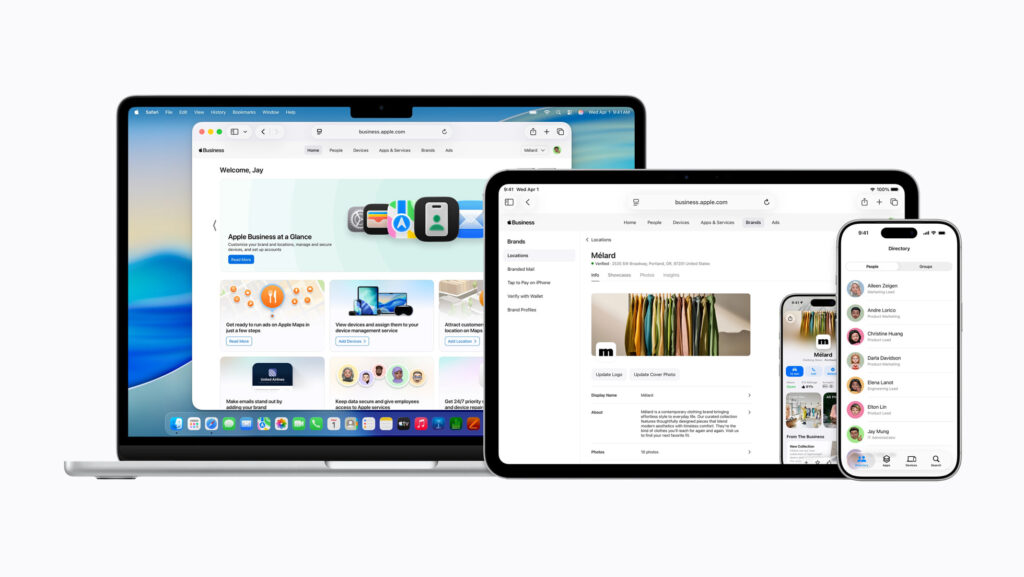
Apple Intelligence is a suite of AI-powered features available on the latest iPhone, iPad and Mac models. It offers enhanced writing tools, improvements to Siri, and the ability to create images and videos based on text prompts. Apple Intelligence is designed to integrate seamlessly with Apple ecosystems and provides advanced privacy protection by keeping personal data local to the device. Apple Intelligence is unfortunately available for use in the Netherlands under specific conditions.
Safety concerns?
When choosing an AI assistant within your company, it is important to consider security and the specific needs of your organization. Here are some guidelines, but this is just the tip of the iceberg.
- ChatGPT: Use ChatGPT for general tasks such as text writing, customer interactions and simple automation. It is a reliable choice for companies looking for a versatile AI assistant.
- Copilot: Choose Copilot if your company already uses Microsoft products. Its seamless integration with Office and Windows makes it a secure and efficient choice for office-related tasks.
- DeepSeek: Consider DeepSeek for tasks that require visual recognition or where security is a top priority. DeepSeek's focus on avoiding politically sensitive topics makes it a safe choice for companies operating in sensitive industries.
- Grok: Use Grok for creative projects and tasks that require unconventional approaches. Grok's unique features make it ideal for companies looking for innovative solutions.
- Apple Intelligence: Choose Apple Intelligence if your company uses Apple products. Its advanced writing tools and privacy protection make it an excellent choice for companies that value data security and efficiency.
By choosing the right AI assistant based on your company's specific needs and safety requirements, you can increase efficiency and productivity while ensuring safety. We can best help you implement Copilot in conjunction with Copilot studio. The latter ensures, among other things, that you determine what data is available and what happens to your data.
Want to learn more about AI within your organization sometime? Or maybe you just want to see or experience it once? Then please contact on.