
We found another #superlogical blog post that we would like to share with you. In fact, we do get these questions from our clients more often.
Why use a VPN in the Netherlands?
Internet users in the Netherlands today face a number of risks when they go online. Cyber criminals can steal your sensitive information, Internet service providers can track your browsing habits and the government can monitor your Internet activity. A VPN can help you reduce these risks and protect your online privacy and security.
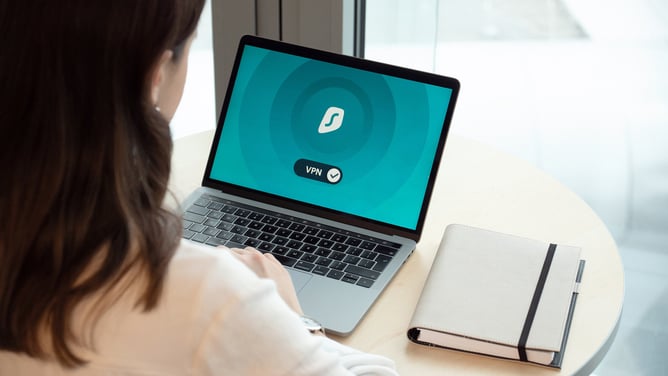
A VPN, or Virtual Private Network, is a technology that encrypts your connection to the Internet and anonymizes your online activity. A VPN connection allows users to reroute their Internet traffic through a remote server located somewhere else in the world. This means that your online activity cannot be traced directly to your device, which enhances your privacy.
Fact or fable
Fact or fable: VPNs are only useful for people who want to engage in illegal activities
Myth. Although VPNs used to be primarily used by people who wanted to engage in illegal activities, today they are also important for people who just want to surf the Internet safely and privately. A VPN can protect you from cybercriminals who want to steal sensitive information, such as your passwords, bank details and personal identification information.
In addition, VPNs can also help you bypass geographical restrictions, such as viewing content that is only available in certain countries. With a VPN, you can also safely and anonymously download torrent files without your ISP or government being able to see what you are doing.
Fact or fable: VPNs slow down your Internet connection
Fact and fable. It is true that some VPNs can slow down your Internet connection, especially if the VPN provider's servers are located a long distance from your location. However, most modern VPNs are fast and reliable, and the delay is usually minimal. If you choose the right VPN provider, your Internet connection will not slow down significantly.
In addition, some VPN providers also offer features that can speed up your Internet connection, such as compressing data and reducing the amount of data to be transferred.
Fact or fable: VPNs are only for technical users
Myth. These days, VPNs are easy to use and available to everyone. Many VPN providers have easy-to-use apps that you can download onto your computer or mobile device. All you have to do is install the app, log in and you're ready to surf with a secure and private connection.
If you want more control over your VPN connection, you can also use more advanced settings and options. For example, you can choose the location of the VPN server you want to connect to, and you can adjust encryption settings.
Fact or fable: VPNs are expensive
Myth. There are many VPN providers on the market, and most offer subscriptions for a reasonable price. Some VPNs are even free, although they often have limitations, such as limited bandwidth or a limited number of servers. Still, there are plenty of VPN providers that offer good service for a reasonable price.
When looking for a good VPN provider, it is important to consider the provider's reputation, quality of service and the price of the subscription. Some VPN providers also offer free trial periods or money-back guarantees, so you can try out the service before signing up for a subscription.
Fact or fable: The police cannot find out your real ip address with a VPN?
Myth. Although a VPN can anonymize your online activity and hide your real IP address, this does not mean that the police or any other agency cannot find out your real IP address if they have access to the right technologies and tools.
If the police have a court order to investigate your online activity, they may be able to access data from your VPN provider and find out your real IP address. It is important to remember that a VPN provides an extra layer of protection for your online activity, but it is not foolproof and does not 100% guarantee anonymity and privacy.
Fact or fable: If I use a VPN, am I protected from cybercriminals?
Myth. While using a VPN can help protect you from cybercriminals, it does not guarantee that you are fully protected from all forms of cybercrime. A VPN provides an extra layer of security for your online activities by encrypting your connection and hiding your online identity. This makes it harder for cybercriminals to steal your sensitive information, but it does not mean you are immune to cyberattacks.
Conclusion
In the Netherlands, using a VPN has become increasingly important to protect your online privacy and security. It offers protection from cybercriminals, ISPs and governments who can track and use your online activity. While there are some facts and fables about VPNs, it is clear that VPNs are a valuable tool for staying safe online. Nearly all of our customers already have corporate VPN and setting up a VPN connection. Useful if you are traveling abroad for work, or going to work remotely at a different or shared location.
If you personally decide to use a VPN, make sure you choose a reliable provider with a good reputation. Look for a VPN provider that offers strong encryption, has a large number of servers, no keeps logs of your online activity and provides fast and reliable service. We can help you with this just fine, and if you have more explanations or questions about VPN please take a moment to contact with us.