
Go passwordless with the Azure AD temporary access pass

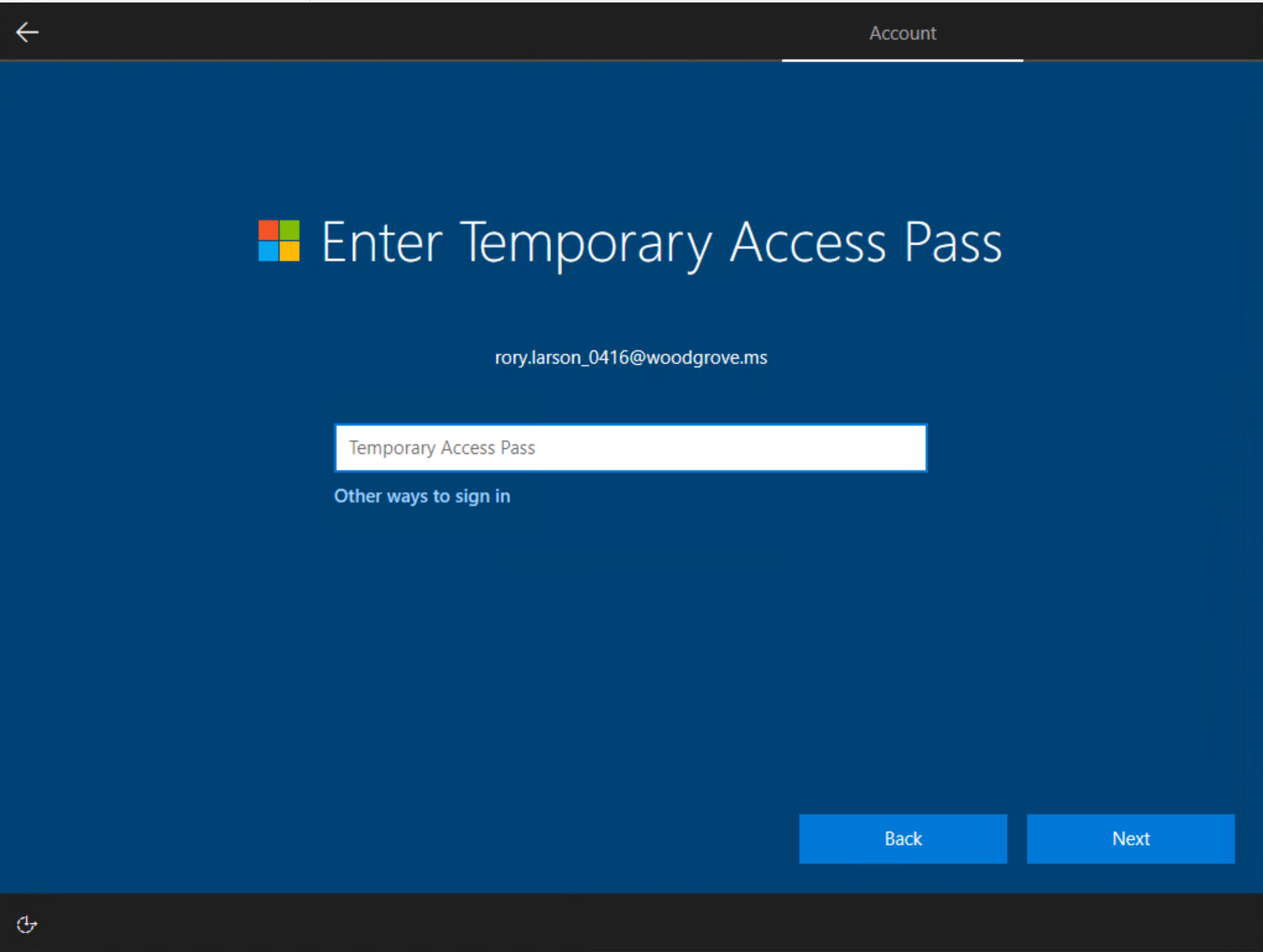
The new Azure AD Temporary Access Pass (TAP) is available as of today. The new preview feature makes it possible to configure a temporary access password. The main goal to go to completely passwordless without a configured password.

What is the new Temporary Access Pass feature?

Temporary access pass is a new way for creating and onboarding new users with a kind of temporary password for the user. With temporary access pass, it is possible to implement passwordless authentication and MFA, SSPR, Windows Hello methods.

The Temporary Access Pass (TAP) function will set a temporary password for the users with an expiration time.

Passwordless authentication methods, such as FIDO2 and the passwordless phone sign-in via the Microsoft Authenticator app, allow users to securely log in without a password. Before the Azure AD Temporary Access Pass feature, enrolling new and resetting current passwordless authentication methods was not the most user-friendly part.

TAP is a time-limited passcode issued by an admin and can be used to onboard other passwordless authentication methods. The main reason; TAP makes recovery easier when a user has lost or forgotten their strong passwordless authentication. The feature is a good start for a completely passwordless environment in the function and stops the use of permanent passwords within the environment.

TAP also makes recovery easier when a user has lost or forgotten their strong authentication factor such as a FIDO2 security key or Microsoft Authenticator app, but needs to log in to register new strong authentication methods. It may sound a bit complicated if you have no ICT knowledge, but you will find that it saves a lot of time and irritation for the user.

This is a super handy feature that we love to use for our customers. #superlogical right? May we help you further with this? take contact on with our team.


Recent blogs

apple header
Blog
Apple 50 Years: 50 Years of Daring to Think Differently
This year, Apple celebrates its 50th anniversary. A milestone that cannot simply be overlooked. Because whether you are a fan or not: Apple has permanently changed the way we work, communicate, and create. At Analyst ICT, we are proud to be part of this ecosystem. As an Apple Technical Partner, we work daily with technology that is not only powerful but, above all, logical and pleasant to use. A different perspective on technology Apple has always distinguished itself by one simple conviction: technology should help people, not hinder them. No unnecessary complexity, but simplicity and ease of use. That aligns seamlessly...
browser password
Blog
Why saving passwords in your browser is not a good idea
The blog post below was created in response to a question during our engineering meeting. Every two weeks, we get together with all of our technical staff to discuss the latest developments in technology or with clients. Good client questions also arise during these meetings, such as this one. Time to do some research. Thank you, Wiebe! You've probably experienced this: you log in to a website, and your browser asks if it should remember your password. Convenient, fast, and you don't have to remember anything. However, there's a risk involved. In practice, we see that many security incidents start with something small. Like saving passwords…
Apple Business
Blog
Apple is taking a big step with Apple Business
Apple announced something special this week. Not a new device, but something that might be even more interesting for many organizations: Apple Business. A completely new platform with which Apple brings all its business services together in one environment. And frankly: this is a development that we at Analyst ICT are following with great interest. The problem: fragmented tools and unnecessary complexity Many organizations working with Apple will recognize the problem: Multiple portals (Apple Business Manager, Business Essentials, Connect) Different tools for management, branding, and support Additional costs for basic functionalities such as device management This leads to a lack of clarity and costs time. And…

A newsletter

Superlogic right?