
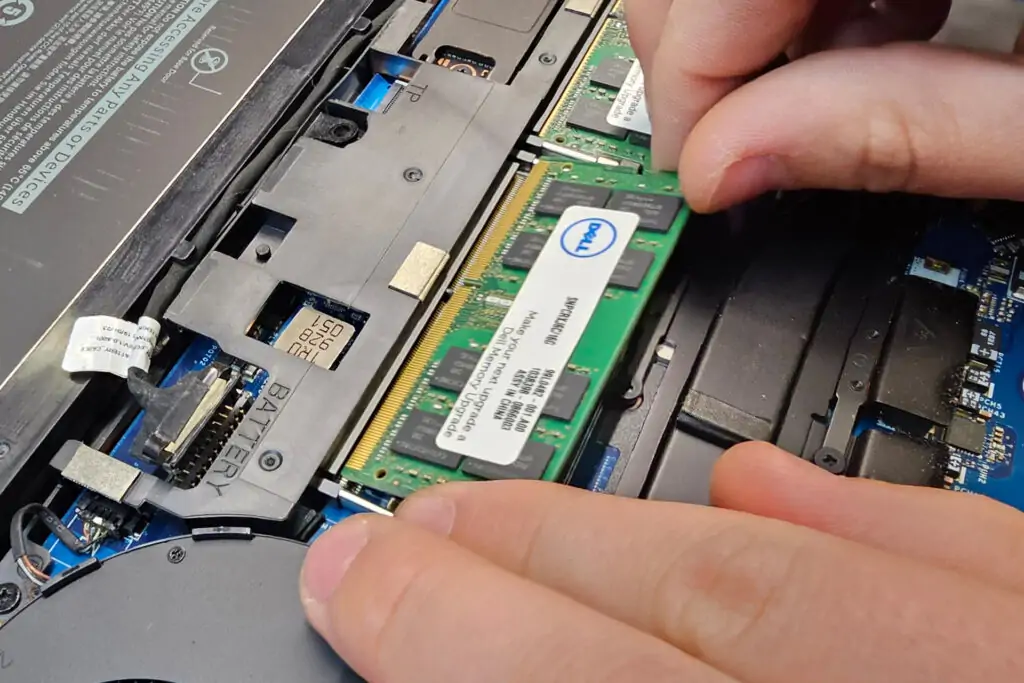
Recent news (including. NOS) confirms what we have seen coming for some time: laptops, desktops and other ICT devices threaten to become significantly more expensive. The main cause? A huge increase in the price of one crucial component: working memory (RAM).
What is happening?
The price of working memory - an essential component in virtually all modern computers and mobile devices - has increased about three times in recent months.
Those rising prices have several causes, but one of the biggest is the growing demand from data centers and companies investing in artificial intelligence (AI). These systems require huge amounts of memory, so vendors spend their production capacity primarily on that, leaving less memory available for consumer electronics.
Because memory chips are a significant part of the cost of a laptop or desktop, these higher component prices are passed on in finished products for several months.
What does that mean for your organization?
For corporate customers, SME entrepreneurs and ICT departments, this has concrete implications:
Higher acquisition costs:
Brand new laptops, workstations or computers can become tens to hundreds of dollars more expensive once parts prices are fully implemented.
Budget planning under pressure:
Those looking to replace or expand multiple systems will see their total expenditures go significantly higher than planned. This makes planning investments more difficult - especially in project years with tight margins.
Longer payback periods:
As old systems have to last longer or are replaced sooner with more expensive replacements, the ROI of ICT investments can decrease.
Customization of specifications:
Some manufacturers choose to lower memory specifications slightly to keep prices down - but that can affect performance in intensive applications.
What about AI demand and supply chains?
The trend of rising memory prices is not an occasional spike, but the result of structural shifts in the market. Large chip manufacturers are focusing production capacity on AI servers and data centers, which limits global availability for consumer use. This creates scarcity and increases component prices.
Experts expect it could take several months to possibly longer before price pressure subsides - simply because scaling up chip production takes time.
What can you already do as an organization?
At Analyst ICT, we advise our clients to be proactive:
Review replacement plans:
If you want to replace hardware soon, it may make sense to use this to do before the price increases - or at least identify your needs in a timely manner so that you do not encounter unpleasant surprises.
Research alternatives:
Look at leasing options, refurbished hardware or staggered replacement cycles to mitigate the financial impact.
Involve your ICT partner early:
Together we can estimate how prices are evolving for your specific situation and what that means for your ICT budgets and projects.
Conclusion
The recent rise in the price of working memory is an important signal for organizations: ICT equipment is getting more expensive, affecting consumers and businesses alike. By planning early, evaluating your replacement agenda.
If you would like tailored advice or just a sparring session, please take contact on.